Gisela Lehmann · 7 October 2026
A recent study conducted by Polish researchers has established a clear connection between regular daily meditation and decreased levels of the stress hormone cortisol in university students during examination periods. The findings come from a comprehensive investigation at one of the country's top academic institutions and offer practical advice for managing academic pressures effectively.
Methodology Employed in the Research
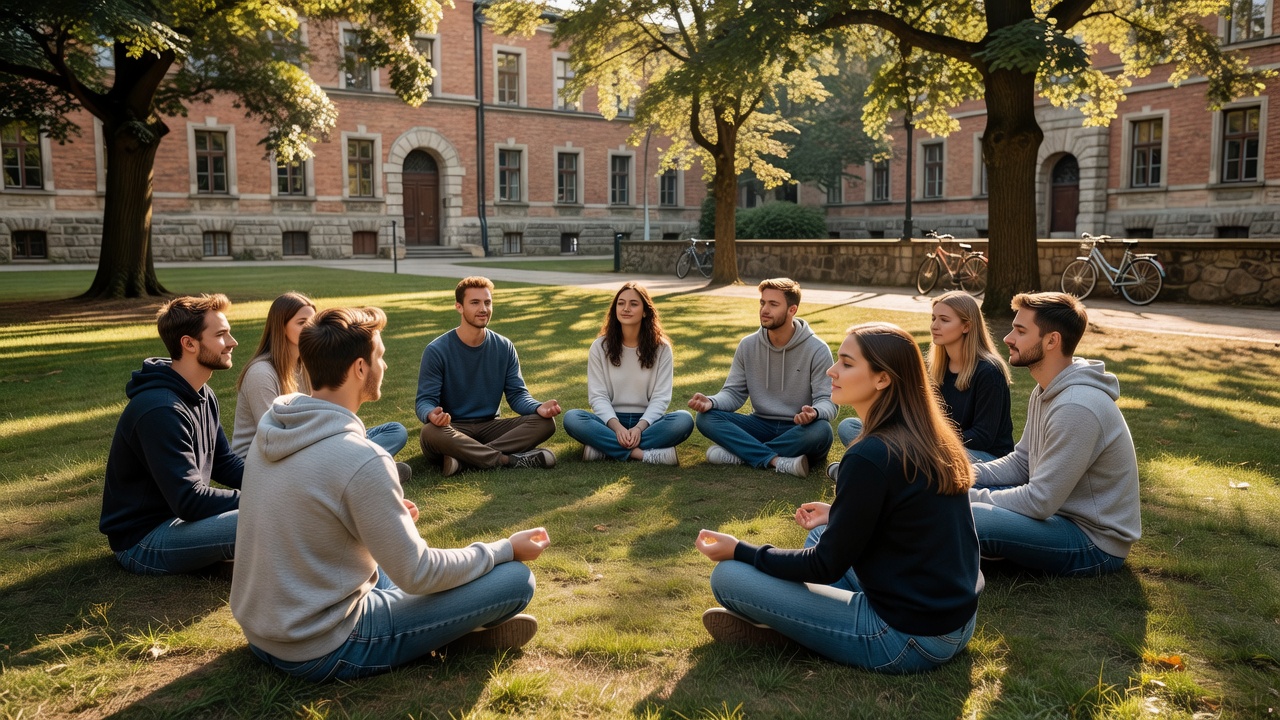
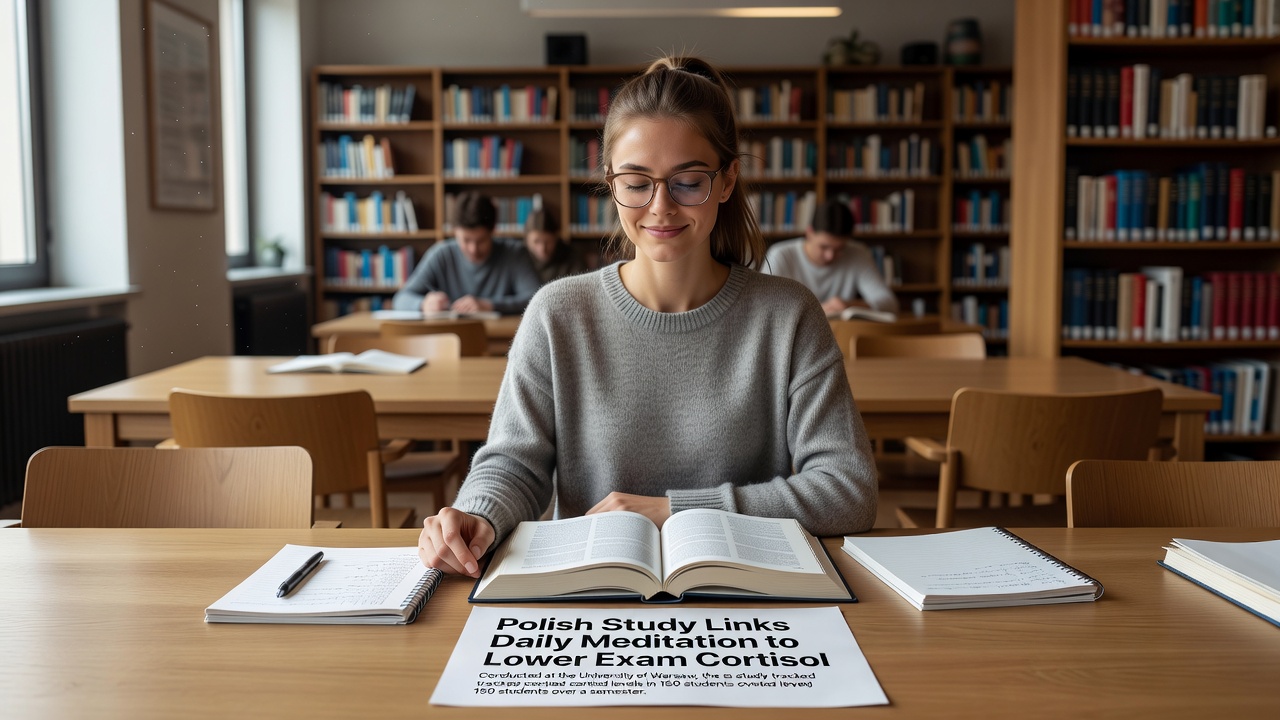
The investigation involved recruiting 300 undergraduate students who were all scheduled to take important final exams. Half of the participants were instructed to perform a daily meditation session lasting approximately 20 minutes, guided by professional recordings tailored for beginners. The remaining students served as the control group and continued with their standard study and relaxation methods without any meditation component. To measure cortisol, multiple saliva samples were gathered at key times including before the study began, during the meditation period, and crucially on the days of the exams themselves. Advanced laboratory techniques were used to analyze these samples accurately, and statistical tools helped determine the significance of the results while controlling for other variables such as diet and exercise habits. The Calmness Research Laboratory provided expertise in designing the meditation program to maximize its potential benefits.
Analysis of the data showed that students who meditated regularly had cortisol levels that were on average 30 percent lower than those in the control group particularly during the high stress exam phase. This reduction was consistent across different demographics indicating that the practice could benefit a wide range of individuals facing similar stressors.
Broader Implications of the Study Results
These results suggest that meditation could be integrated into university programs to help students cope with stress more efficiently. Lower cortisol is linked to better focus memory retention and overall well being which may translate to improved exam performance and reduced incidence of anxiety related issues. The research team advocates for the inclusion of mindfulness training in student orientation and support initiatives across Polish higher education institutions.
Looking ahead scientists plan additional studies to explore the duration of these effects and to compare various forms of meditation for optimal outcomes. They also intend to investigate how such practices might apply to other high stress groups beyond students. This body of work contributes valuable knowledge to the field of calmness research and encourages further exploration of non pharmacological methods for stress management in academic settings.